The Technical Association of Ports and Coasts selects Las Palmas de Gran Canaria to host its 10th National Congress under the slogan ‘Challenges, Resilience, and Sustainability: The New Paradigm of Maritime Infrastructure.’
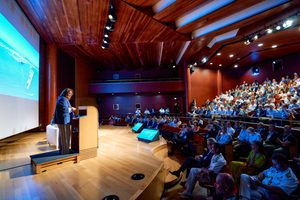
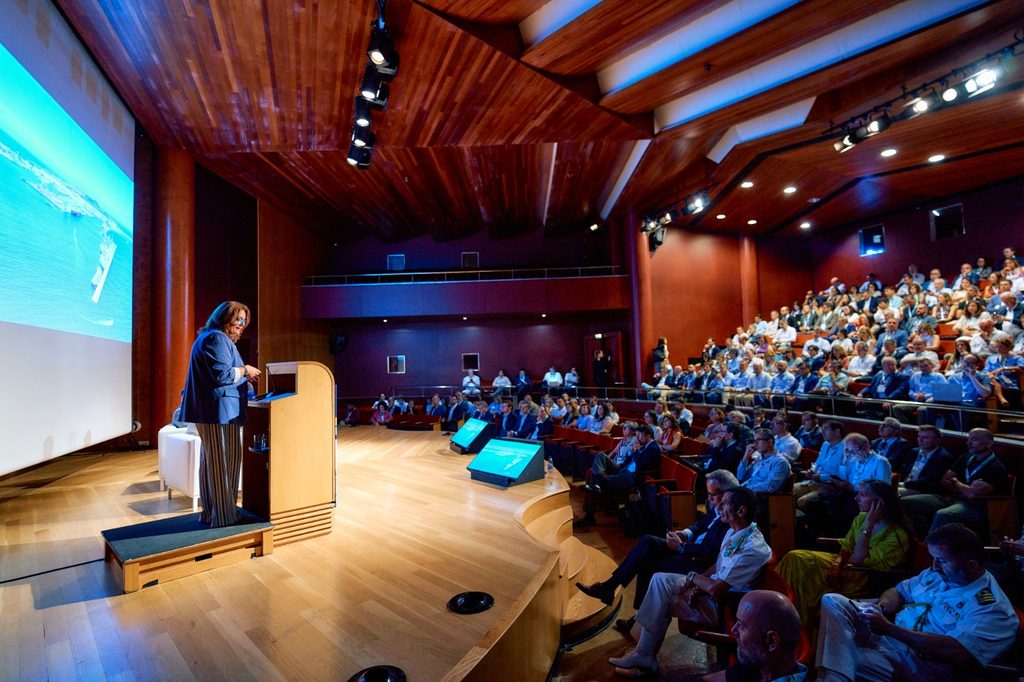
The Technical Association of Ports and Coasts (ATPYC) launched its 10th National Congress this Wednesday at the Alfredo Kraus Auditorium in Las Palmas de Gran Canaria. The two-day event brings together more than 300 industry professionals from across Spain.
Under the theme “Challenges, Resilience, and Sustainability: The New Paradigm of Maritime Infrastructure,” members are analyzing the profound changes currently impacting ports and coastlines through a series of presentations and panel discussions. The congress highlights resilience and sustainability not just as requirements, but as opportunities to evolve toward more efficient, integrated, and environmentally friendly working methods. This cross-cutting approach directly influences the planning, design, construction, and operation of maritime infrastructure.
The event covers a wide range of highly relevant topics for the sector. Key areas of focus include adapting infrastructure to new challenges, asset management, life-cycle analysis, digitalization, and the development of digital twins. Attendees are also discussing new port energy models, nature-based design solutions for infrastructure, and the promotion of the blue economy in key sectors such as cruises, fishing, ship repair, and recreational boating.
During Wednesday’s opening session, Beatriz Calzada, President of the Port Authority, delivered a keynote address titled “Ports in Motion: Maritime Infrastructure in the Face of Change.” Her presentation highlighted the ability of ports to adapt to global shifts across climate, energy, technology, economics, geopolitics, cities, and regional territories.
“The various scenarios and uncertainties we operate under today force us to rethink the design of port infrastructure. These facilities are constantly exposed to shifting variables such as sea levels, weather patterns, water availability, wave conditions, energy demands, vessel types, cargo, and logistics chains. Therefore, we must incorporate climate change and uncertainty directly into the conceptual design of our infrastructure,” Calzada stated.
Furthermore, Calzada emphasized that energy is one of the major drivers transforming port facilities. “Ports have now become key players in the energy transition. Shore-to-ship power (cold ironing), the supply of alternative fuels, renewable energy sources, and new technologies are already profoundly reshaping our facilities,” she noted.
The congress will continue tomorrow, Thursday, featuring six additional presentations and a closing round table to wrap up the 10th ATPYC National Congress.