A series of high-level meetings and joint initiatives involving European Ports and Destinations Associations took place during Seatrade Cruise Global 2026, underscoring the growing importance of cross-regional collaboration in addressing shared industry challenges and opportunities.
On Monday, 13 April, representatives of the European cruise ports and destinations associations met alongside counterparts from Australia and New Zealand. Discussions focused on strengthening alignment across regions, enhancing data exchange and coordinating approaches to common priorities for the sector.
These discussions continued on Wednesday, 15 April, during a joint presentation held at the MedCruise booth (#801), where the European Ports and Destinations Associations presented the findings of the Joint Survey on the Impact of Cruise Tourism on Destinations, launched in March 2025. The survey involved around 300 ports and destinations across the five European cruise ports and destinations associations, representing a broad cross-section of destinations across the region. It examined current trends, management practices and sustainability measures, while addressing perceptions around over tourism, visitor flow management, seasonality, community sentiment and environmental impacts.
Findings showed that, for the majority of ports, cruise visitors account for less than 10% of total arrivals, while generating a significant economic impact through local spending. The survey also confirmed that cruise tourism acts as a key driver for local businesses, with a clear majority of destinations reporting increased revenues and job creation linked to cruise activity.
Public perception emerged as predominantly positive: the majority of residents view cruise tourism favourably, while only around 3% expressed a negative perception. The results also highlighted the widespread adoption of sustainability measures, including onshore power supply, environmental fees, and digital tools such as EPIs to support operational efficiency and environmental monitoring. In addition, 40% of destinations promote alternative attractions to better distribute visitor flows and enhance destination management.
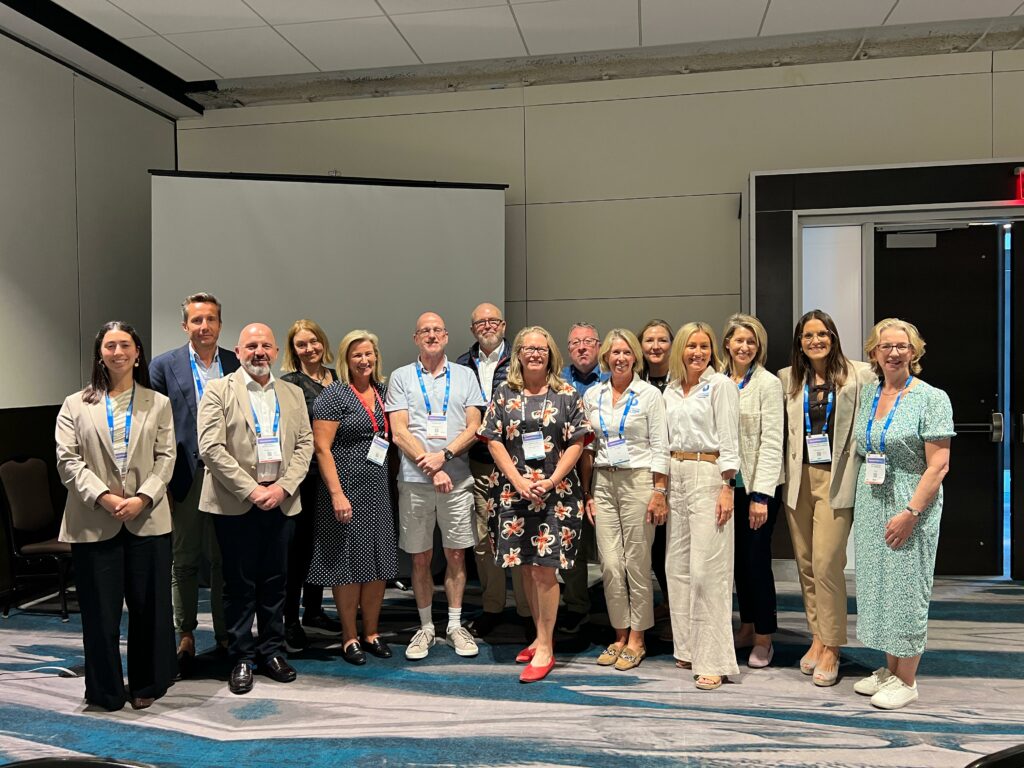
Later that day, representatives from the European Ports and Destinations Associations participated in the panel session “European Port & Destination Associations: Collaboration”, moderated by Holly Payne. The session addressed key topics including sustainable growth, infrastructure investment, environmental initiatives and strategies to balance tourism development with community well-being. It also emphasised the importance of collaboration with cruise lines and local stakeholders to enhance shore excursions, diversify destination offerings, improve passenger flow management and strengthen environmental performance, while identifying future areas of cooperation in data sharing, environmental policies and community engagement.
Overall, the meetings and sessions reflected a shared commitment among the European Ports and Destinations Associations to foster a more sustainable, resilient and coordinated future for the cruise sector.
Participants included:
Theodora Riga (President of MedCruise and Corfu Port Authority); Simone Maraschi (Managing Director, Cruise Gate Hamburg and Chair, Cruise Europe); Kay Greenway (Director, Cruise Britain); Ian McQuade (Chair, Cruise Britain); Klaus Bondam (Managing Director, Cruise Baltic); Monica Berstad (Managing Director, Cruise Norway); Jens Skrede (Managing Director, Cruise Europe).