More than 67,000 professionals from 145 countries take part in the world’s leading trade fair for the fresh produce sector
Citrus fruit, dried vegetables and potatoes lead horticultural traffic, with 46% channelled through refrigerated containers
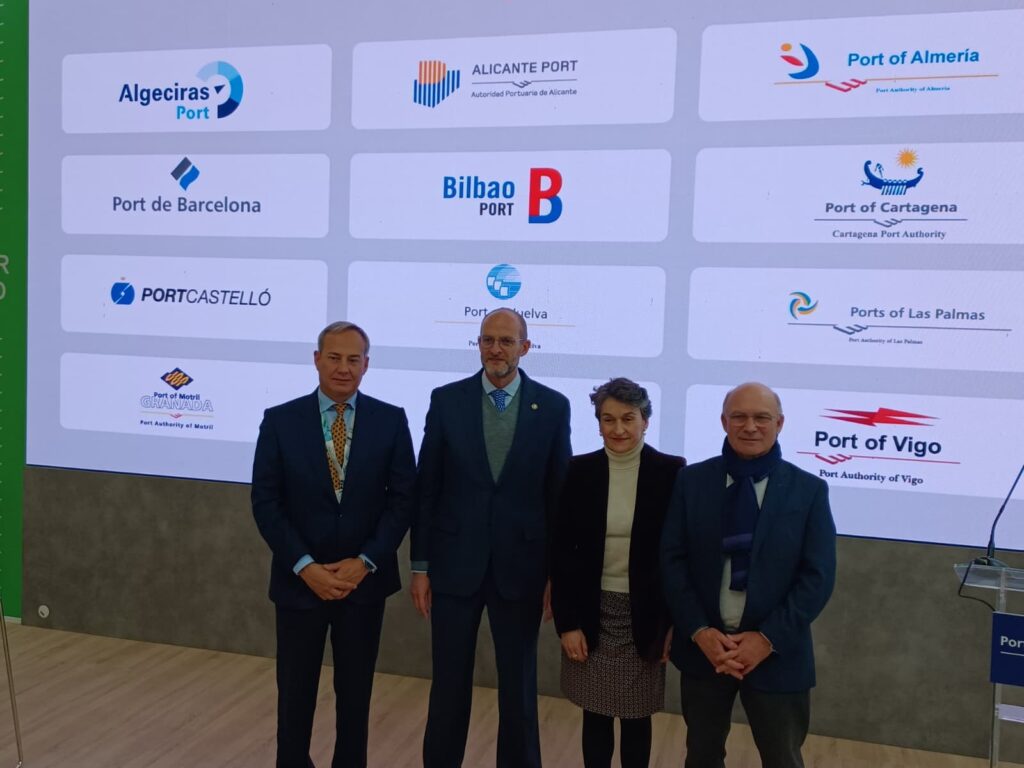
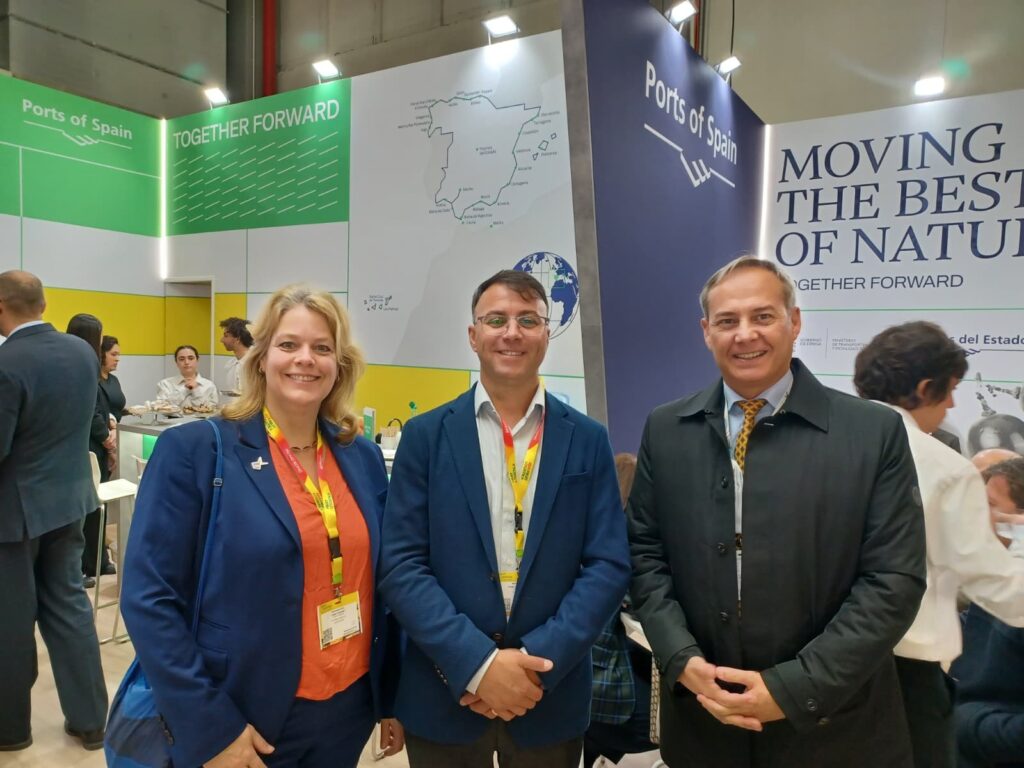
The Las Palmas Port Authority is taking part this week in Fruit Logistica Berlin, the leading international meeting point for the fresh produce and fresh logistics sector, where it is showcasing the capacity of the Port of Las Palmas as a strategic platform for international trade between Europe, Africa and the Americas.
The trade fair, which brings together more than 67,000 professionals from 145 countries, has consolidated its position as the global reference showcase for producers, logistics operators, shipping companies and major distributors, and serves as a key forum for forging commercial partnerships and anticipating trends in the agri-food market.
In this context, the Port of Las Palmas arrives in the German capital backed by figures that confirm its growth and specialisation in perishable goods. In 2025, the ports managed by the Las Palmas Port Authority handled 22.3 million tonnes of general cargo, representing a 13.56% increase compared to 2024. Of this total, 1,030,096 tonnes corresponded to fruit and vegetables, with a significant share transported in refrigerated containers, which accounted for 46% of the total.
Within horticultural traffic, citrus fruit ranked as the main commodity group, with more than 239,000 tonnes handled throughout the year, followed by dried vegetables, which exceeded 115,000 tonnes, and staple products such as potatoes, with close to 78,000 tonnes. Movements of onions, garlic and leeks also stood out, reaching 75,000 tonnes, along with nuts, with more than 70,000 tonnes, and banana traffic, which exceeded 61,000 tonnes.
The President of the Las Palmas Port Authority, Beatriz Calzada, noted that “Fruit Logistica is a first-class international showcase to demonstrate the logistics capacity of our ports and their role in the global supply chain for fresh produce. The Port of Las Palmas offers connectivity, reliability and specialised services, making it a strategic partner for producers, distributors and logistics operators working with perishable goods.”
Other products with a relevant weight in overall traffic included quinces, grapes and raisins, tomatoes, frozen vegetables and tropical fruits such as avocados, mangoes and pineapples. This reflects the diversity of origins, destinations and cargo types handled, as well as the port’s capacity to operate complex and specialised logistics chains.
The Port of Las Palmas enjoys a strategic geographical location that allows it to act as a transhipment and redistribution port for goods originating in Africa and Latin America destined for Europe, as well as for European flows towards African and American markets. It is currently connected to more than 500 international ports, nearly 100 of them through direct services, and holds a leading position as the main maritime hub connecting with West and Southern Africa.
This connectivity is reinforced by extensive logistics and storage capacity, with more than 441,000 square metres of covered area, nearly 1.8 million square metres of open storage space and refrigerated storage capacity of 80,000 cubic metres, in addition to around 2,000 power points for refrigerated containers distributed across three terminals. These infrastructures ensure cold chain integrity and efficient operations for horticultural products.
As regards the main trade flows, Spain and South Africa are the principal countries of origin for fruit and vegetables transiting through the Port of Las Palmas, while Spain, Italy, Portugal and France stand out as the main destinations, alongside emerging markets in West Africa such as Mauritania and Senegal, and intercontinental destinations such as Vietnam.
The Las Palmas Port Authority’s strategic priorities include strengthening the Port of Las Palmas as a distribution centre for agricultural and food products for the Canary Islands, consolidating its role as a transit platform between West Africa, Latin America and the European Union, and reinforcing its position on intercontinental routes served by leading international shipping lines.
At the same time, the port system continues to enhance its differentiating capabilities, such as the availability of cold and frozen storage infrastructure and its positioning as a solid and reliable logistics alternative to overland road transport via Morocco, particularly for flows originating in countries such as Mauritania and Senegal.
These strengths are complemented by the multi-service nature of the Port of Las Palmas, which enhances its competitiveness as an integrated logistics platform. The port complex includes facilities such as the Free Zone and the Canary Islands Special Zone, which allow for processing activities and offer tax advantages to the agri-food sector, as well as one of the main bunkering platforms in the Atlantic and extensive ship repair capacity. This service ecosystem provides reliability, operational efficiency and added value to the logistics chains that use the port as a strategic hub.
In addition, efforts are under way to modernise Border Inspection Posts, with actions aimed at expanding inspection capacity and improving operational efficiency. At the Port of Las Palmas, work is ongoing to extend berths and services, while at the Port of Arrecife improvements have already been implemented that allow direct inspection of frozen plant products, reducing time and logistics costs and strengthening the network-based operation of the port system.
Participation in Fruit Logistica enables the Las Palmas Port Authority to strengthen commercial relationships, identify new business opportunities and showcase the competitive advantages of Canary Islands ports as an efficient, secure and well-connected logistics platform, reaffirming its commitment to the development of the agri-food sector and to consolidating the Canary Islands as a leading logistics hub for international trade.