Ports from the European Union’s outermost regions (ORs) have consolidated a common position to contribute to the development of the future European Port Strategy, highlighting the need for differentiated, proportionate and territorially balanced poli- cies that fully recognise the permanent constraints and strategic role of ORs ports.
The initiative is being developed within a dedicated Working Group bringing together port authorities from the outermost regions of Spain, France and Portugal. The Wor- king Group is composed of the following ports:
- Portos da Madeira (APRAM)
- Portos dos Açores
- Port Authority of Las Palmas
- Port Authority of Santa Cruz de Tenerife
- Établissement Portuaire de Saint-Martin
- Grand Port Maritime de la Guadeloupe – Port Caraïbes
- Grand Port Maritime de la Martinique
- Grand Port Maritime de la Guyane
- Grand Port Maritime de La Réunion
- Port de Longoni – Département de Mayotte
The Working Group has been actively cooperating for more than one year, fostering structured dialogue, coordination and joint reflection on shared challenges and priori- ties. It also had the opportunity to meet in person during Seatrade Europe 2025, held in Hamburg in September 2025, reinforcing cooperation and alignment among participat- ing ports.
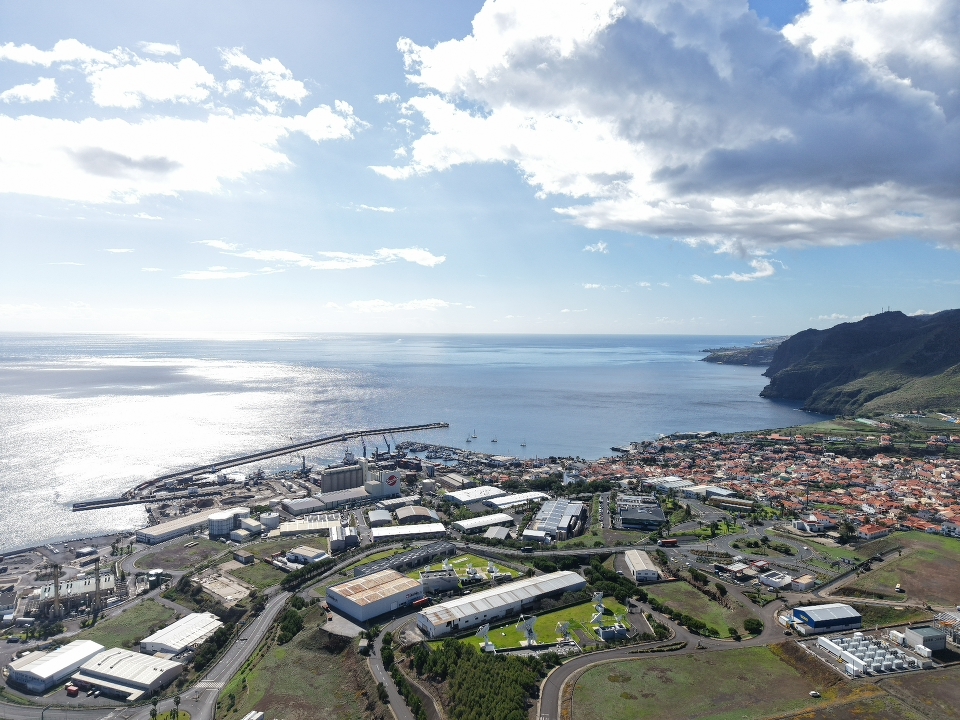
Given their geographical remoteness, strong dependence on maritime transport, lim- ited market size and exposure to competition from neighbouring non-EU ports, ORs ports operate under conditions that differ significantly from those of mainland Europe. These specificities require tailored policy responses to ensure fair competition, safe- guard connectivity and support long-term resilience.
The common position paper submitted to the European Commission focuses on four strategic pillars. First, it calls for a differentiated application of EU climate and energy regulations — including the EU Emissions Trading System (ETS), AFIR and FuelEU Mari- time — in order to avoid competitive distortions, traffic leakage and disproportionate impacts on essential maritime services serving the outermost regions. The paper under- lines the importance of regulatory coherence, flexibility and long-term predictability.
Secondly, the Working Group proposes the creation of a permanent ORs Ports Com- mittee within the European Commission. This structure would provide a stable govern- ance framework to ensure continuous dialogue, sustained visibility of ORs-specific needs and better integration of territorial realities into EU port-related policymaking.
The third pillar highlights the value of cooperation through personnel exchange, train- ing programmes and best practice sharing among ORs ports and their wider port communities. Strengthening human capital and institutional capacity is seen as a key lever to improve operational performance, innovation, decarbonisation and regulatory compliance in ultraperipheral contexts.
Finally, the position paper stresses the need to reinforce and improve access to Europe- an funding and investment instruments. Enhanced support through EU programmes is considered essential to enable ORs ports to modernise infrastructure, advance the en- ergy transition, strengthen connectivity and contribute effectively to EU cohesion and climate objectives.
In parallel with the submission of the document, the Working Group has initiated con- tacts to explore the organisation of technical-level meetings with relevant European Commission services. These meetings would serve to present both the joint position paper and the Working Group itself, and to establish a direct and structured channel of dialogue with EU institutions on port, maritime and climate-related policies affecting the outermost regions.
Through this coordinated initiative, the ports of the EU’s outermost regions reaffirm their commitment to constructive engagement at European level, contributing proac- tively to European policymaking while ensuring that port, maritime and climate policies fully reflect territorial realities, safeguard connectivity and cohesion, and ensure that no region is left behind in the European Union’s ongoing transition processes.